What to Expect
More traffic does not always translate into more leads or sales. This article explains how a full-funnel content strategy helps turn website traffic into meaningful business results. You’ll learn:
- Why traffic and rankings alone do not tell the full story of content marketing ROI.
- How awareness, consideration, and decision-stage content serve different needs in the buyer journey.
- Which content formats help answer questions, address objections, and build buyer confidence.
- How to measure progress beyond page views using engagement, next-step clicks, qualified leads, and conversion rates.
- How to connect content assets so readers have a clear next step instead of reaching a dead end.
By the end, you’ll have a clearer way to identify gaps in your content funnel and decide what needs to change at each stage.
You finally hit the traffic goal. Sessions are up, and rankings are climbing. The dashboard looks great.
But then you check the pipeline and realize that nothing changed.
This is the trap most content teams fall into. They treat traffic as the finish line when it is really the starting line. Rankings and sessions are useful, but they are not business results. They are opportunities.
A solid full-funnel content strategy does not stop at getting people to the site. It helps them understand the problem, trust the company, overcome objections, and take a meaningful next step.
Traffic Is Only The Beginning
SEO matters. So do socials and any other channels that get the right people to your site.
But traffic alone is not enough. A thousand visitors who leave are not better than a hundred who engage.
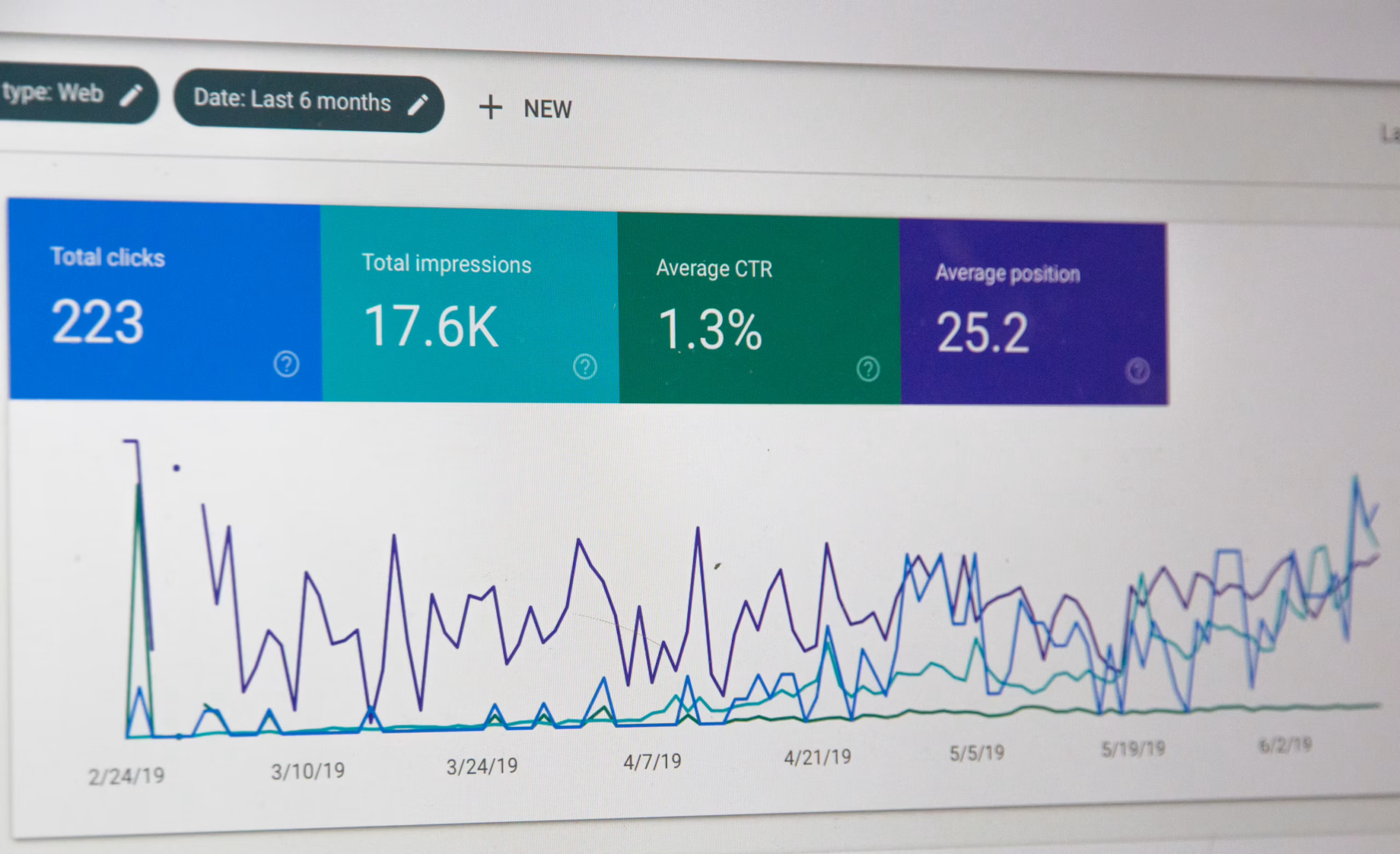
This is where a lot of content marketing ROI conversations go wrong. Teams report on sessions, impressions, and average position, but nobody asks what happened after the click.
G2’s 2024 Buyer Behavior Report found that 69% of buyers engage with salespeople only after they have already made their decision. That means your content influences most of the buying journey.
If your content strategy stops at awareness, you are handing buyers to competitors at the exact moment they are ready to decide.
Remember that traffic only opens the door. What they read next and where it points them determines whether you gained a buyer or lost a visitor.
Every Stage Has A Different Job
A content marketing funnel gives each piece a clear purpose, guiding buyers from learning about a problem to evaluating solutions and deciding who to trust.
Awareness. The buyer feels a problem but cannot name it yet. Content should give them language for what they are experiencing. Blog posts and quick social insights work well here.
Consideration. The problem is clear, and options are on the table. Now content has to prove expertise. Comparison guides, in-depth resources, and case studies earn trust.
Decision. The field has narrowed. One provider gets chosen. Address the last objections. Testimonials, FAQs, clear pricing, and proof points make the next step feel obvious.
Google’s helpful content guidance reinforces that content should serve the reader and answer relevant questions. That standard applies differently at every stage.
When you treat every piece as an awareness play, you build a content funnel with a wide top and nothing underneath. Traffic climbs. Pipeline does not.
Content Should Reduce Friction
A good conversion content strategy helps buyers feel more confident about taking the next step by answering their questions, addressing common concerns, and making the decision a little easier. Different types of content can help address these concerns at different points in the buying process.
- FAQs answer common objections before they come up on a sales call.
- Guides help buyers weigh their options and understand the trade-offs.
- Service pages explain what you offer, what working with you looks like, and who your services are for.
- Proof (case studies, testimonials, results) gives buyers a reason to trust your claims.
- Nurture emails keep your business on buyers’ radar as they weigh their options.
- Comparison content helps buyers understand their options without having to leave your site to find answers.
However, AI slop can undo that progress. Our blog Automation Without Strategy: Why AI Content Systems Create Slop Before They Scale explains why this happens. When buyers encounter vague claims or recycled advice, they lose confidence and leave to finish their research elsewhere.
Measure Progress, Not Just Pageviews
To evaluate whether your funnel is working, track how people move through it alongside overall traffic.
Here are the metrics that help show progress through a conversion funnel:
- Engagement rate and time on page. Are visitors engaging with the content or leaving without exploring it?
- Click-through to the next step. Do visitors move from a blog post to a service page, or from a guide to a demo?
- Product or service page visits. Are visitors moving from informational content toward pages that help them evaluate their options?
- Form starts, not just form submissions. If people start filling out a form but do not finish, there may be friction worth investigating.
- Add-to-cart actions or demo requests. These signals can indicate stronger buying intent.
- Leads and qualified leads. Track both the number of leads generated and how well they match your target audience.
- Conversion rate by source and stage. This helps you understand how well SEO traffic conversion performs at different points in the funnel.
A content performance review built around these signals helps identify where visitors lose interest or stop moving forward. Awareness content may attract plenty of traffic while consideration content fails to answer the questions visitors have next. Or decision-stage pages may be effective, but the content at the top of the funnel may be attracting the wrong audience.
Pageviews show how many people arrive. These metrics help you understand what they do next and where your content may need improvement.
Build Content Around The Next Action

The clearest way to fix a broken funnel is to give every piece of content a job beyond attracting a visit.
Before you publish anything, answer one question. What should this piece of content make the reader do next?
- An awareness article should lead to a deeper guide.
- A guide should lead to a relevant case study.
- A case study should lead to a service page or a demo.
- A service page should lead to a form, a call, or a comparison.
- A nurture email should bring someone back to a decision-stage asset.
When every asset connects to the next, you build a buyer journey content system, and conversions improve because buyers never hit a dead end.
This is where a full-funnel content strategy starts to look less like marketing and more like infrastructure. Each stage answers the question the previous stage created.
For agencies, this is also a faster way to demonstrate content marketing ROI beyond rankings by showing clients how awareness traffic translates into service page visits, demo requests, and qualified leads.
If you are an agency trying to deliver this kind of joined-up content without building a full writing team, explore Penmo for Agencies. We provide white-label content support built for agency workflows, so every stage of the funnel stays covered.
For a deeper look at how content earns trust across the funnel, read Your Content Should Show How You Think, Not Just What You Sell.
The Bottom Line
Traffic creates opportunity. Movement creates value.
If your content stops at awareness, you may be missing opportunities to turn attention into action. A full-funnel content strategy helps buyers move forward by answering the right questions at the right stage with the right content.
Start measuring progress, not just pageviews. Give every piece of content a clear next step, then track whether it helps buyers take it.
Traffic is not the goal. Better movement is.
For a real founder’s perspective on building a content process that supports the business, explore The Content Shift series.