

Personalization is one of the most powerful tools in a marketer’s toolkit. When it’s done well, customers feel understood, valued, and genuinely connected to a brand.
But when it’s done poorly, personalization can feel creepy, generic, or even manipulative. And instead of building trust, it drives people away. Too often, brands don’t realize they’ve crossed that line until it has already damaged their reputation and relationships.
In this article, we’ll examine the most common personalization mistakes, their significance, and how to create experiences that foster trust, demonstrate respect, and deliver genuine value to your customers.
What Bad Personalization Looks Like
Oversegmentation
Oversegmentation is when brands divide their audiences into small groups without a clear strategy. While they intend to offer highly tailored experiences, it brings inconsistencies and fragmented messaging.
Take, for instance, a fitness brand that divides its audience into yoga lovers, enthusiastic runners, runners with smartwatches, and weight lifters. In this case, customers are bombarded with overlapping or contradictory messages instead of sharper, relevant ones. The brand ends up diluting the effectiveness of the campaign as well as confusing customers about where they belong.
Invasive Data Usage
Another personalization and SEO content mistake happens when brands cross the privacy line. While customers demand better experiences, they don’t want to feel as if they’re being tracked in ways they didn’t sign up for.
This happens when brands use personal details that customers didn’t share willingly. This often comes out as intrusive and unsettling. According to a study by internet retailers, nearly half of consumers say they are cautious about how brands use their data, and mishandling it can lead to a complete breakdown in trust.
Irrelevant Dynamic Content
Dynamic content can be a game-changer when it’s accurate. Errors such as inserting the wrong name, offering products already purchased, or recommending items completely unrelated to prior behavior end up disappointing the customer and breaking their trust.
Imagine receiving an email that says, “Hi Diana, we thought you’d love these toddler toys!” when you don’t have children. This kind of sloppy execution communicates that the brand doesn’t actually know you at all.
Why It Undermines Trust & Engagement
Audience Fatigue
Continued exposure to irrelevant or poorly executed personalization gets customers easily fatigued customers. These messages won’t do their job of sparking curiosity or driving action; instead, they blend into the noise.
When customers get fatigued, they ignore the messages, which results in lower engagement, lower open rates, fewer clicks, and ultimately, they unsubscribe. Once a customer tunes you out, it’s incredibly hard to win their attention back.
Privacy Concerns
Thanks to the digital era, customers have become more aware of their digital footprint than ever. Stories about data breaches, surveillance, and misuse of personal information turn customers off.
Personalization should not feel like an invasion of privacy. You don’t want questions like: How did they know that? Or what else are they tracking? Even legal actions should not appear so creepy because that will hurt your customer trust.
Feeling Manipulated
Personalization should make people feel understood, not manipulated. Heavy psychological triggers, such as scarcity or social proof without authenticity, make customers feel like you’re manipulating them. They feel played instead of valued, and this can easily erode trust. Once the marketing trust is broken, you’ll find it hard to get them to engage with your future campaigns.
Principles for “Good Personalization”
Relevance
Every marketer should try their level best to remain relevant at all times, as this is the foundation of personalization. If the content doesn’t align with the customer’s needs, timing, or context, it doesn’t matter how clever or data-driven it is.
For instance, you can’t recommend Christmas decorations to a customer in the middle of the year. By being relevant, you understand what your customers need at that very moment.
Consent
Getting your customer’s consent is not just a legal requirement but a foundation of trust. Make your customers understand clearly the type of data you’re collecting and how you’re going to use it.
Also, remember to give them options to manage their preferences, opt in to personalization, or adjust how often they hear from you. This kind of freedom empowers them and builds credibility. When personalization is transparent, customers are more likely to welcome it.
Brand Voice Consistency
Personalized content should be consistent with your brand voice, or it loses power. If your social media presence is warm, fun, and conversational, but your personalized emails feel robotic and transactional, customers notice the disconnect. Consistency reassures them that personalization is an extension of your brand values, not just a marketing gimmick.
Testing & Feedback Loops
Even the most well-planned personalization strategy can miss the mark without refinement. You need frequent testing and feedback loops to stay on track. A/B testing subject lines, call-to-actions, and recommendations helps you identify what resonates most.
Monitoring engagement metrics provides quantitative insights, while surveys and direct customer feedback provide qualitative ones. For example, if your open rates are high but clicks are low, it may indicate your subject lines are strong but your offers are irrelevant. Continuous refinement keeps personalization fresh and effective.
Tools & Tactics You Should Use
Behavior-Based Triggers
Behavior-based triggers are one of the most effective ways to personalize without overstepping. These are messages automatically sent based on a customer’s actions, such as browsing a product, abandoning a cart, or renewing a subscription.
These triggers often respond to real behavior, which makes them feel natural and helpful rather than forced. For instance, sending a reminder about an item left in a cart accompanied by a helpful review feels supportive, not pushy.
Email Personalization
Email personalization should extend beyond simply inserting a first name. It should tailor subject lines, product recommendations, and even send times based on subscriber behavior.
If you’re running a streaming service and your customer watches movies late at night, send them recommendations at 8 p.m. instead of 7 a.m. This detail may appear small, but it makes the interaction feel more personal and less like a bulk blast.
Dynamic Landing Pages
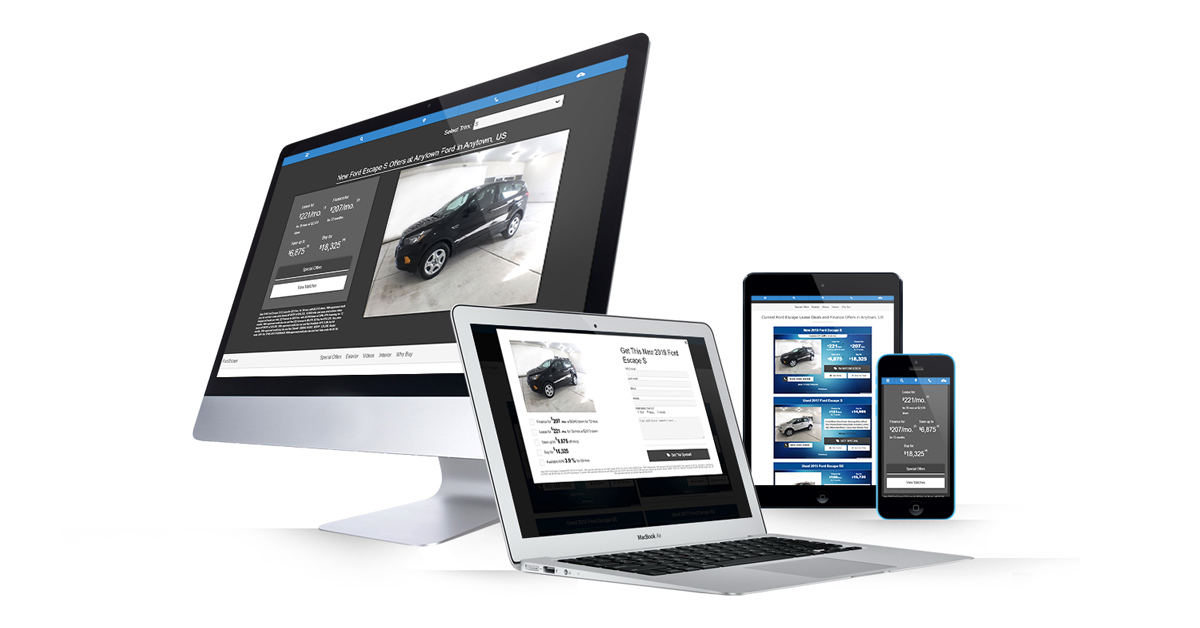
Dynamic landing pages adjust their content based on referral source, browsing history, or past purchases. This creates a seamless journey where the messaging and visuals match the customer’s expectations.
For example, a user clicking an ad for “eco-friendly skincare” shouldn’t land on a generic homepage. Instead, they should arrive on a page featuring eco-friendly products, testimonials, and related offers. This reduces friction and boosts conversions. Serving your content at the right time is an easy way to retain clients with personalized content.
Final Thoughts
Personalization is evolving right alongside customer expectations. The difference between building loyalty and driving people away comes down to execution. Done poorly, personalization breeds mistrust, fatigue, and disengagement. Done well, it creates meaningful connections and lasting brand trust.
By prioritizing relevance, gaining consent, staying consistent, and continually refining your approach, brands can avoid the common pitfalls that so many overlook until it’s too late.