
If you’ve been in the pet food aisle lately, you’ve seen the shift. Gone are the days of simple kibble bags with happy cartoon dogs.
In their place, you’ll find sleek packaging, ingredient lists that sound like they’re from a gourmet grocery store, and bold claims of “human-grade” quality. This is pet food humanization in full swing—the powerful trend of treating our pets not just as animals, but as beloved family members deserving of the same quality we expect for ourselves.
And it’s a beautiful thing. It reflects the deep bond we share with our companions and has driven incredible innovation in the pet food industry.
But here’s the uncomfortable truth: many brands are starting to realize that calling your food “human-grade” is no longer a competitive advantage.
It’s becoming the price of entry. In the race to win the hearts of pet parents, human-grade pet food marketing alone is not enough to build lasting loyalty. The real connection happens when you pair that appealing concept with genuine substance.
What Does “Humanization” Really Mean in Pet Food?
At its core, pet food humanization is about mirroring human food trends in the pet aisle. It’s the desire to feed our dogs and cats food that looks, feels, and tastes like something we might eat.
This manifests in two key ways:
Processing Standards: Adhering to human-grade pet food standards, meaning the food is manufactured in a facility approved for human food production.
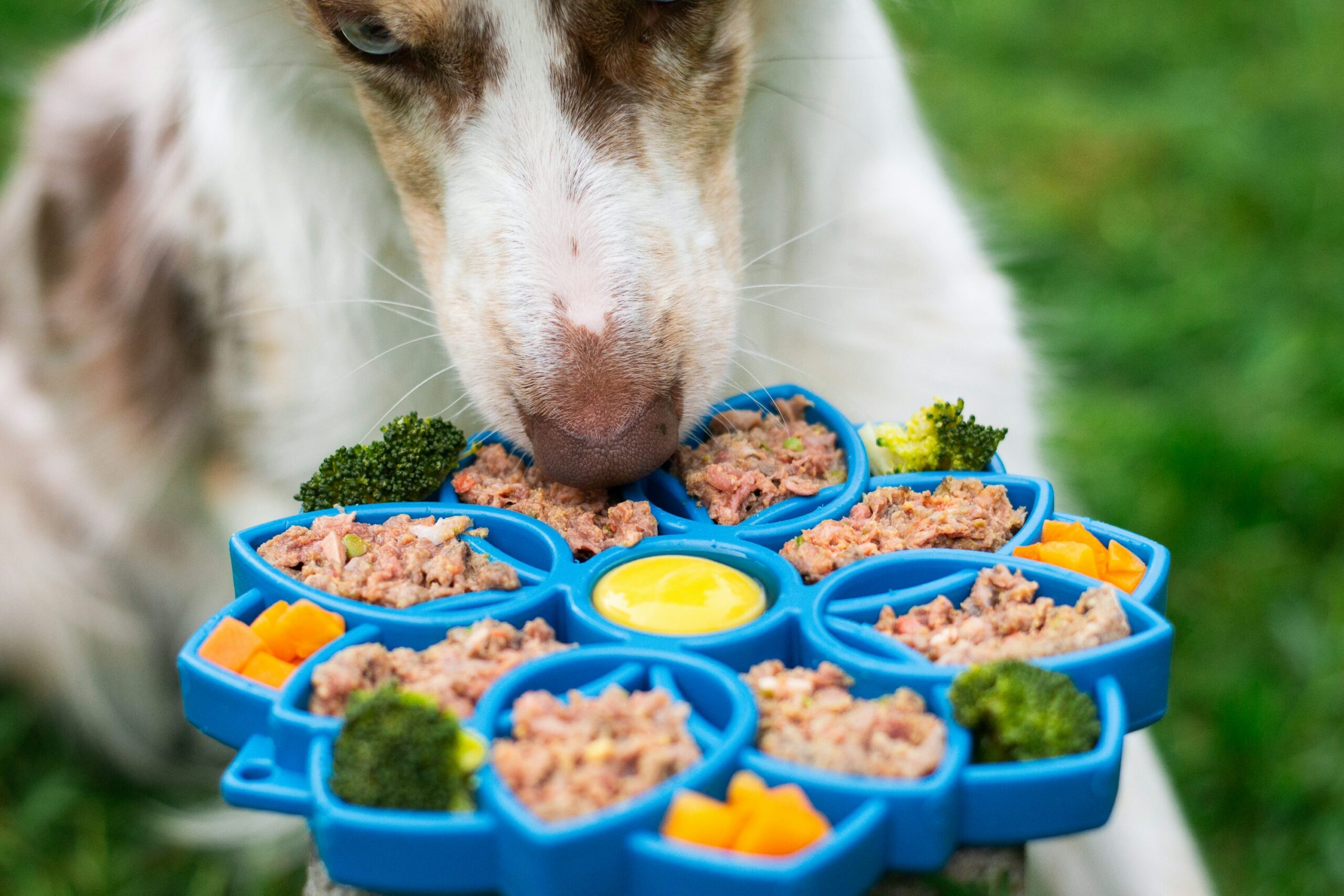
Presentation: Moving away from generic brown pellets to recipes with visible flakes of fish, chunks of meat, and vibrant pieces of fruits and vegetables.
This approach powerfully taps into an emotional need. It makes us feel good about what we’re pouring into our pet’s bowl. But this emotional appeal is also its greatest limitation.
The Human-Grade Halo: Why It’s Not Enough
Relying solely on the human-grade pet food halo effect is a risky strategy for three key reasons.
Rising Consumer Skepticism
Today’s pet parents are more informed than ever. They’ve been burned by greenwashing in other industries and are wary of marketing fluff.
A term like “human-grade” can be perceived as just another marketing term if it isn’t backed by deeper evidence. Pet parents are reading labels, researching ingredients, and asking, “Yes, it’s human-grade, but is it nutritious for my adorable pet?”
The Cost Conundrum
Producing truly human-grade food is expensive, and that cost is passed directly to the consumer. While many are willing to pay a premium, that willingness has its limits. If the only differentiator is a “human-grade” label, brands become vulnerable to competitors who can offer the same standard at a lower price.
Without a stronger reason for loyalty, customers may eventually jump ship for a better deal.
It Addresses “Wants” Over “Needs”

Humanization addresses a pet parent’s emotional desire to feed their pet high-quality food. But it doesn’t always fully address the pet’s biological need for a specific, science-backed nutritional profile.
A food can be made with beautiful, human-edible ingredients but still lack the optimal balance of nutrients for a dog with kidney issues or a cat with a sensitive stomach.
What Truly Drives Lasting Loyalty
To build a brand that stands the test of time, you must build upon the foundation of humanization with these three pillars.
Radical Pet Brand Transparency
This is the natural evolution of humanization. It’s not enough to say you use good ingredients; you must be an open book about them.
This means: Providing clear, accessible explanations for why each ingredient is included, sharing your sourcing practices and manufacturing processes, and using third-party certifications to verify your claims.
This level of pet brand transparency builds a fortress of trust that competitors cannot easily breach. It shows you have nothing to hide and everything to prove.
Unwavering Nutritional Credentials
This is where science separates the leading brands from the rest of the pack. Your formula needs a “why” that goes deeper than the ingredient list.
This involves: Investing in research and collaborating with veterinarians and nutritionists, clearly communicating the functional benefits of your recipe for specific life stages or health needs, and providing scientific evidence that supports your nutritional philosophy.
For example, aligning your formulation science with globally recognized guidelines like the WSAVA Global Nutrition Guidelines provides a powerful, credible foundation that vets and savvy pet parents will recognize and trust.
A Compelling Pet Food Brand Purpose
Why does your company exist beyond making a profit? A strong pet food brand purpose creates an emotional connection that transcends the product itself. This could be a commitment to sustainability or a pledge to ethical labor practices.
A 2024 consumer trends report highlighted that modern shoppers increasingly align their purchases with their values. A brand that stands for something gives customers a reason to believe in you, not just buy from you.
How to Weave Humanization and Substance Together
The most successful brands don’t choose between humanization and substance—they masterfully blend them.
Here’s how:
Tell the Full Story: Instead of just marketing “human-grade beef,” create content about the farmers who raise the cattle, the nutritional science behind using that specific protein, and how a portion of profits supports ranchers who use regenerative practices.
Educate Your Audience: Host webinars with your veterinary nutritionist to explain how your human-grade ingredients are formulated to support, for example, joint health in large breed dogs. This combines the appeal of quality with the authority of science.
Be Visibly Transparent: Use your packaging and website to not only list your human-grade ingredients but also to explain their functional role and provide a QR code that leads to a video of your production facility.
Myth vs. Reality: Separating Fact from Fiction in Premium Pet Food
| Myth | Reality |
|---|---|
| Human-Grade automatically means More Nutritious. | Human-grade refers to processing standards, not nutritional completeness. A food can be human-grade but still lack nutrients essential for a pet’s health without proper formulation. |
| Pet parents choose food on emotion alone. | While emotion starts the journey, today’s pet parent looks for logical validation through transparency and science before making a final decision. |
| A strong brand purpose is a “nice-to-have.” | A genuine pet food brand’s purpose is a powerful loyalty driver, as consumers increasingly make purchasing decisions that align with their personal values, a trend consistently shown in reports like the Edelman Trust Barometer. |
The Key Takeaway
Don’t just sell pet parents on the idea of quality. Prove it to them in every ingredient, every claim, and every action your brand takes. That is how you turn a one-time buyer into a lifelong advocate.
Ready to build a pet food brand that blends heart with science? Let’s work together to craft a marketing strategy that showcases your quality and proves your substance.